Real Patient Care in Supervised Settings
Hands-On Clinical Training in Montgomery for students completing the CNA certification preparation program
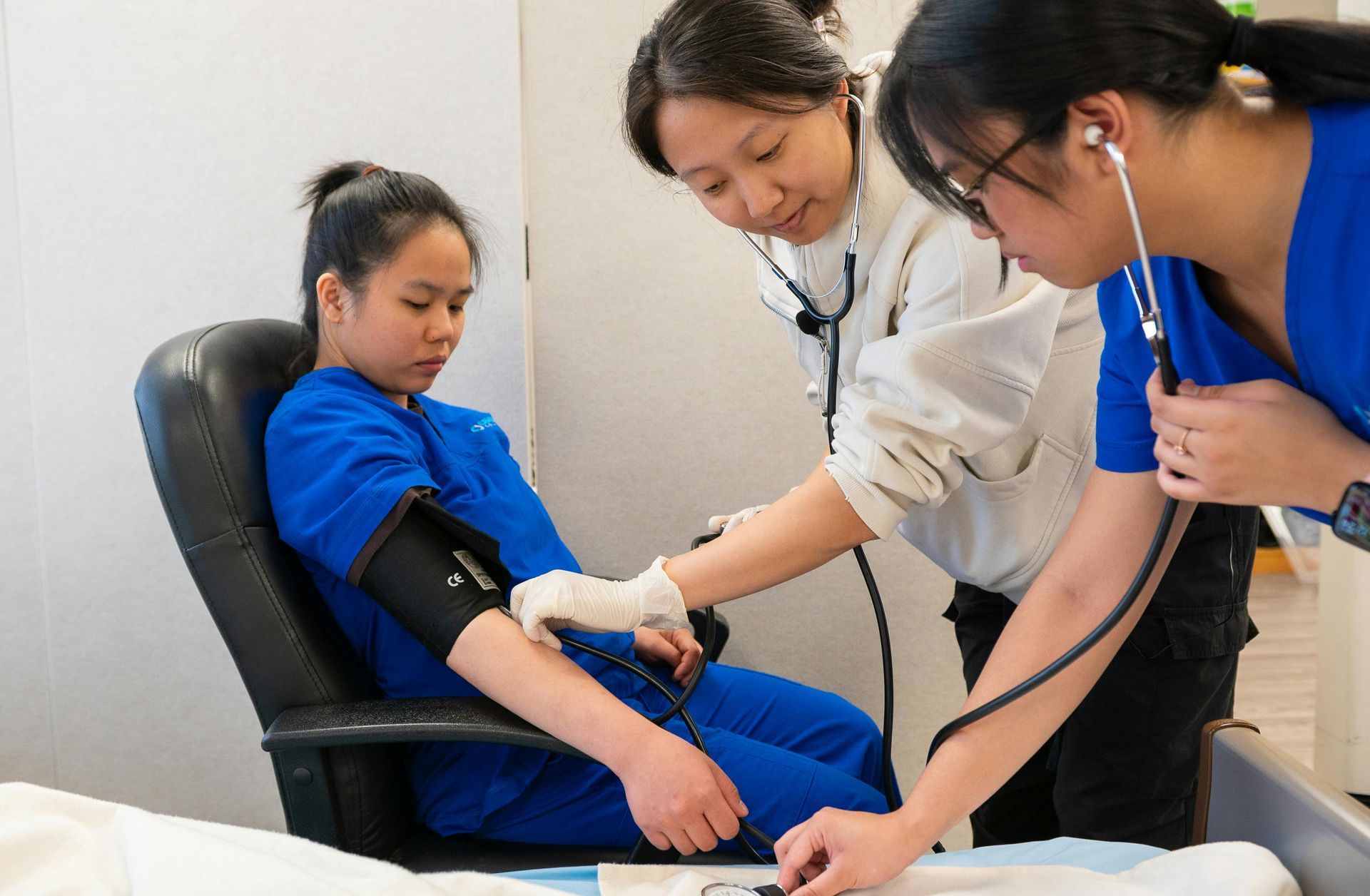
Clinical training in a long-term care facility exposes students to the physical demands, time pressures, and patient interactions that define daily work as a nursing assistant. This one-week supervised training takes place after the three-week classroom portion of the CNA preparation program offered by Elite Health Care Training Academy in Montgomery. You assist residents with bathing, dressing, feeding, and mobility tasks while working alongside experienced staff members who demonstrate care routines, documentation practices, and communication methods used in clinical environments.
The clinical week transitions students from controlled classroom practice to real-world application, where multiple residents need care simultaneously and priorities shift throughout the day. You learn to manage timing, recognize when a resident's condition requires staff notification, and adapt techniques based on individual mobility levels and cognitive abilities. Supervision ensures you receive feedback on body mechanics, communication tone, and task sequencing before working independently after certification.
Enroll in the CNA preparation program to access the full four-week training sequence that includes this clinical component.
What Clinical Exposure Prepares You For
During the clinical week, you practice skills required for the state CNA exam while observing how those skills fit into the broader care routine. You measure and record vital signs, assist with toileting and hygiene tasks, and help residents move from beds to chairs using proper transfer techniques. Staff members explain how they prioritize tasks during busy periods, respond to call lights, and document care activities in resident charts, giving you insight into workflow management that classroom instruction cannot replicate.
After completing clinical training, students at Elite Health Care Training Academy have worked in the type of facility where many will seek employment after certification. You become familiar with the pace of shift work, the physical effort required for repetitive lifting and positioning, and the communication style needed when assisting residents with cognitive impairments. This experience reduces the adjustment period when starting your first CNA position, since the environment and expectations are no longer unfamiliar.
The clinical portion also serves as a differentiator when applying for jobs in Montgomery. Employers recognize that students with facility-based training require less onboarding than those who completed only classroom instruction. You have already practiced in a setting similar to where you will work, which demonstrates readiness beyond passing the written and skills exams.
Students preparing for healthcare roles often ask about what clinical training involves, how supervision works, and what they will be expected to do during the facility-based week.
Common Questions About Clinical Training
What tasks do students perform during clinical training?
You assist with resident care activities such as bathing, dressing, feeding, mobility support, and vital sign measurement under the supervision of facility staff. Tasks are assigned based on your skill progression and comfort level, with instructors observing and providing feedback throughout the week.
How does clinical training differ from classroom skill practice?
Classroom practice uses controlled scenarios with predictable conditions, while clinical training involves real residents with varying mobility, communication abilities, and care needs. You learn to adapt techniques based on individual resident conditions and manage multiple tasks within the time constraints of an actual shift.
What happens if I need additional instruction on a specific skill during clinical training?
Supervisors observe your performance and provide corrections or additional demonstration if a technique needs refinement. The clinical week is designed as a learning experience, so questions and adjustments are expected as you apply classroom knowledge to real patient care situations.
When does the clinical training week take place in the overall program?
Clinical training occurs during the fourth week of the CNA preparation program at Elite Health Care Training Academy, immediately following three weeks of classroom instruction. This sequence ensures you have foundational knowledge before entering the facility setting.
Why is facility-based training important for CNA exam preparation?
The state certification exam includes a clinical skills demonstration, and working in a long-term care facility gives you practice performing those skills under realistic conditions. Exposure to actual patient care also builds familiarity with the role's demands, which strengthens both exam confidence and employment readiness in Montgomery healthcare settings.
Elite Health Care Training Academy includes hands-on clinical training in long-term care facilities as the final component of the CNA preparation program. This supervised experience prepares students for both the state exam and the realities of working in healthcare environments. Ask about the next program start date to begin your training pathway in Montgomery.